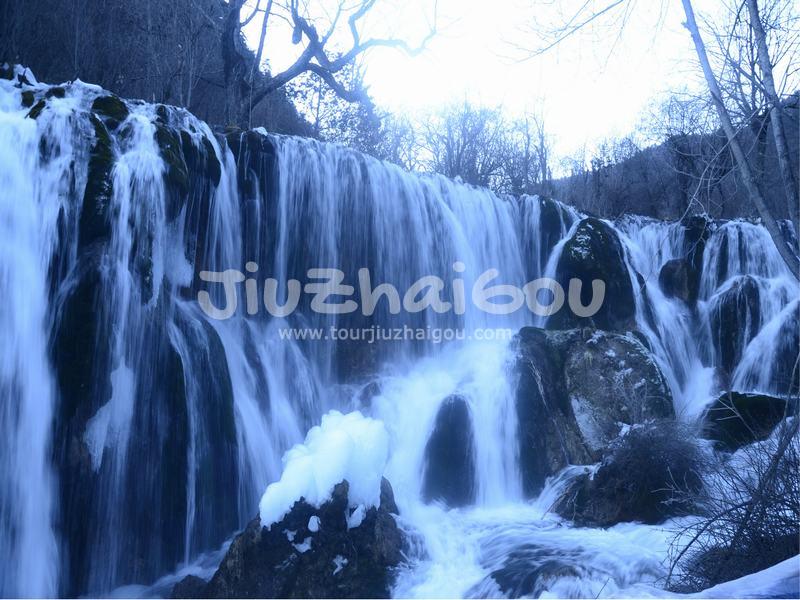
Jiuzhaigou Valley National Park is a year-round destination, with each season offering a unique landscape and weather pattern. To help you pack smart and stay comfortable during your visit, here’s a season-by-season guide on what to wear in Jiuzhaigou.
Spring in Jiuzhaigou brings dramatic temperature shifts within a single day. Average temperatures range from 5°C to 11°C, and snow may still linger on the ground in early April. Layering is key—pack long-sleeved tops, warm pants, and a heavy coat to protect against chilly winds. As snow begins to melt, trails can get slushy, so waterproof rubber boots are a must. Don’t forget sunglasses and sunscreen, as UV rays can be strong even in cooler months.
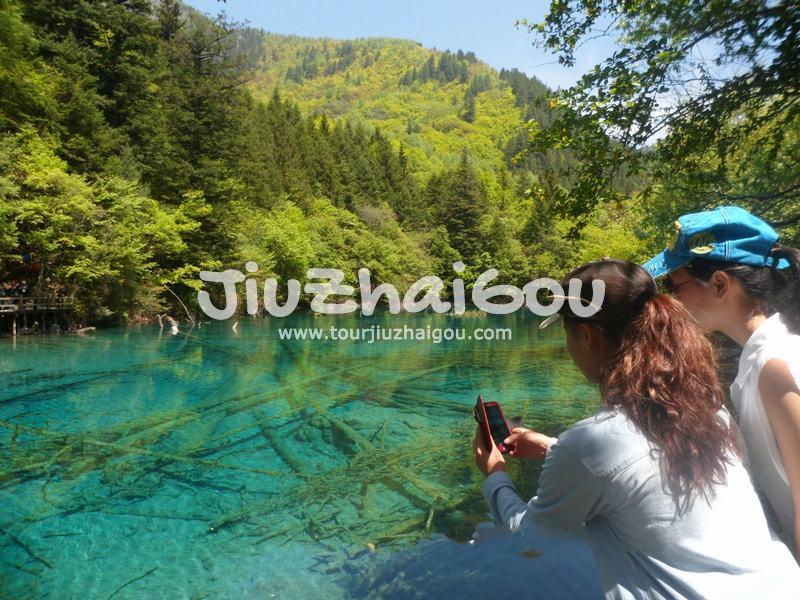
Summer temperatures are mild and pleasant, averaging between 17°C and 24°C. While days are warm, evenings cool down significantly, making a long-sleeved shirt and lightweight pants essential. For daytime exploring, breathable shorts and tank tops are ideal, but if you're planning to hike, choose a windproof and waterproof outer layer. The plateau sun can be intense, so bring a sunhat, high-SPF sunscreen, and quality sunglasses. July is particularly rainy, so pack a compact umbrella or raincoat just in case.
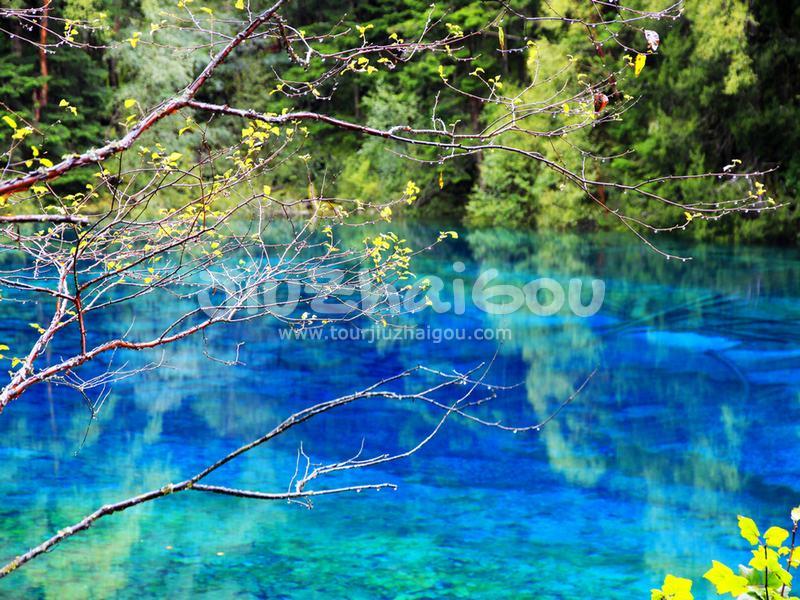
Autumn is widely considered the best time to visit Jiuzhaigou. With average temperatures between 12°C and 16°C, the weather is cool and crisp—perfect for exploring the park’s vibrant fall foliage. A long-sleeve shirt is usually enough during the day, but evenings require warmer layers. Pack clothing that can be easily layered, and again, don’t forget rain gear, as August and September can still bring showers.

Winter transforms Jiuzhaigou into a serene, snow-covered wonderland. Daytime temperatures hover between -1°C and 3°C, so thermal layering is essential. Start with moisture-wicking base layers, add fleece or wool insulation, and finish with a windproof, hooded outer jacket. For walking in snow, insulated and waterproof boots are a must—paired with wool socks and gaiters. Protect your hands with breathable gloves and your face with a balaclava or mask-style hat. Dark sunglasses are especially important in winter to prevent snow blindness caused by reflected sunlight at high altitudes.